![Selling a Condemned Property in [market_city]](https://image-cdn.carrot.com/eyJidWNrZXQiOiJwcm9kdWN0aW9uLmNhcnJvdC11cGxvYWRzLm9uY2Fycm90LmNvbSIsImtleSI6InVwbG9hZHMvc2l0ZXMvNzk2MzAvMjAyNi8wMi9TZWxsaW5nLWEtQ29uZGVtbmVkLVByb3BlcnR5LmpwZyIsImVkaXRzIjp7InJlc2l6ZSI6eyJ3aWR0aCI6MTE1Mn0sInRvRm9ybWF0Ijoid2VicCIsIndlYnAiOnsicXVhbGl0eSI6NzB9fX0=)

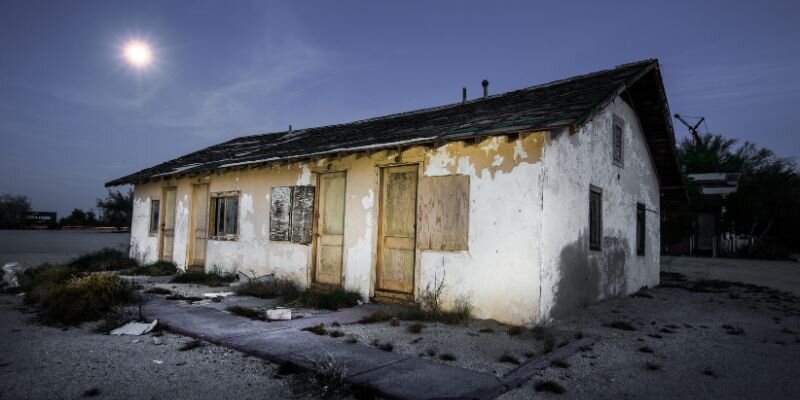
Selling a condemned house in Georgia can feel overwhelming, but Atlanta Home Buyers is here to guide you through every step. From understanding state regulations to finding buyers who specialize in fixer-uppers, this guide provides essential tips for selling your condemned property quickly and legally.
Understanding Condemned Houses in Georgia
Georgia’s condemned homes are a headache for current owners and potential buyers. It is not safe to live in these buildings for health and safety reasons. Understanding ownership of condemned property will help you decide whether or not to sell. We go over what defines a condemned home, how it affects the value of a home, and how to care for a condemned home in Georgia, no matter where you live, whether in Atlanta or elsewhere.
What Makes a House Condemned?
The key phrase is “not fit to live in”. This can be for a lot of reasons, like major structural damage or health hazards. This is the typical statement issued by Georgia local governments after their full investigation. A house can be condemned if it’s in complete or partial disrepair, violates building codes, or has mold or pests. For these safety and health reasons, it is illegal for the authorities to live there. These homes are unsafe for homeowners and prospective buyers and may not legally be habitable until remediated.
Condemnation can happen quickly, so homeowners need to be alert. Local authorities may advise the homeowner that a problem property can be condemned. There is generally a schedule and a list of items needing correction to avoid condemnation. If you ignore this letter, you could be prosecuted and fined. Also, homes that are condemned need costly, time-consuming retrofits in order to meet safety codes. Investors can profit from a condemned house in Georgia if they are able to make the necessary improvements and work within local rules. Knowing why a house is condemned can help stakeholders decide whether to sell or renovate.
Impact of Condemnation on Property Value in Georgia
Properties that are condemned see a considerable fall in their market value. Properties consigned in Georgia quickly tend to lose value, because they are considered by the law to be unfit for occupancy and are not attractive to regular buyers. However, bringing condemned properties back to life presents its own hurdles and risks that may discourage potential buyers. They may be concerned about hidden damage or the work necessary to make the house habitable. These problems can make a simple real estate transaction a complicated and costly one.
For homeowners and investors contemplating a sale, it’s important to understand the impact of condemnation on value. In competitive markets like Atlanta, the value of a condemned home often comes down to legal compliance, zoning changes, and physical repairs. Sometimes properties are sold at a lower value through auctions to speed up the sale process. The redeeming value usually requires intensive remediation plans and smart navigation of local regulations.” So while condemned properties may be an investment opportunity, they must be carefully evaluated, legalized, and marketed to satisfy the Georgia housing market’s expectations.
Looking for a fast, fair way to sell your home for cash in Georgia? We make it simple.
Legal Considerations for Selling Condemned Properties in GA
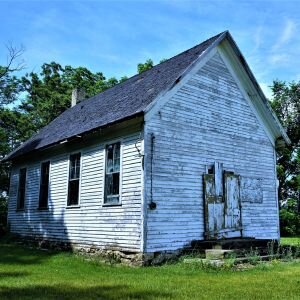
Knowing the legalities of selling a condemned property in Georgia is important to survive this complicated process for homeowners. Management of condemned properties is a serious legal and cultural issue. If you’re a seller in Georgia, especially if you’re in a city like Atlanta, it’s important to understand how to sell a condemned property in a legal way. The legal environment is critical to homeowners facing condemnation or investors seeking opportunities. It can assist in the selling process, minimize risks, and ensure compliance with local regulations and cultural norms.
Navigating the Legal Process
If you are selling a condemned house in Georgia, you need to have a plan and know the rules of the game in your area. What homeowners and investors need to know about real estate attorneys. An attorney will assist you in understanding the condemnation and fulfilling all legal requirements to prevent future conflicts. First, you will need a detailed inspection report stating the condemnation of the property in Atlanta and other cities in Georgia. This document will help you in your legal case and negotiations with buyers.
As soon as you receive this report, contact your local authorities to find out about any municipal restrictions and remediation programs that could affect the sale of your home. “You want to be in open communication with these agencies early on so that you don’t have legal issues. Homeowners must create a written plan to remediate the property so that it is livable. Sellers almost always sell “as-is”. But if you let buyers know the condition of the property, it helps build trust and can help you negotiate terms.
This process is backed by legal documents. Give buyers information on permits, violations, and notices. An attorney can help you determine what disclosures to make to minimize your liability. Marketing condemned properties in Georgia requires patience, thoroughness, and knowledge of real estate. These are qualities that will allow you to negotiate the sale and turn a challenge into a positive opportunity.
Cultural and Legal Nuances in Georgia
Selling a condemned property in Georgia is more about culture and law than law. You need to know the history of real estate deals, especially in a diverse city like Atlanta The buyer’s perception and marketability of the property may be influenced by heritage and local factors. Buyers in Georgia can see condemned property as a legacy, not an investment.
Real traditions of Georgia can affect the real estate deal. If you are aware of culture it can help in negotiations. When you are selling a condemned home, respect local historic preservation and community values. There are plenty of social customs and expectations that you wouldn’t want to miss out on when selling a property, and a real estate attorney who is attuned to these nuances can guide you through them.
Each municipality has its own condemnation statutes. Study and learn the local differences so you are prepared for trouble. In Georgia, especially in Atlanta, homes that have been torn down may be in urban renewal areas, where the legal structures are shifting quickly. Compliance with the regulations is important. See how the issues of culture and of law combine to solve these issues.
At Atlanta Home Buyers, we buy homes in Atlanta and nearby cities, offering homeowners a fast, hassle-free selling experience.
Strategies for Selling a Condemned House in Georgia

Selling a condemned house in Georgia is no easy task and requires careful planning. To get the most out of the property, you have to think through every step carefully from marketing the property as is to getting cash buyers. Knowing the role of cash offers and real estate investors can make a huge difference in how well you sell your home as you navigate this complicated process. These tips will help Georgia homeowners and investors manage and sell condemned properties, whether in Atlanta or other quieter areas of the state.
How to Sell a Condemned Home As-Is in Georgia
Selling a condemned home “as-is” in Georgia requires many important steps to get buyers and close the deal. Selling as-is saves sellers money on repairs and renovations. This is a great method for homeowners who don’t have the resources or desire to do a lot of restoration. Selling as-is can be difficult, but it can be a great way to attract real estate investors who are willing to make changes to the property for profit. They look for potential in homes others might overlook, focusing on location and value over condition.
Sales of houses as-is require openness. Providing a complete inspection report on the house’s condemned status builds trust and makes negotiations easier for buyers. It can help to focus on the potential of the property over its flaws. Basic concerns disclosure helps set expectations and grease the acquisition. Honest sellers bring buyers.
Selling a condemned house that is not repaired requires good communication with buyers. For example, real estate investors might be attracted to lot size, location, and zoning perks in developing cities like Atlanta. Georgia’s unique cultural and historical attributes mean that you can take advantage of historical preservation networks that can add unexpected interest to your sales approach. Online platforms and customized marketing can help you find investors who understand local market dynamics and are willing to make an all-cash offer that speeds up your sale.
The Role of Cash Buyers in Selling Condemned Houses in Georgia
Cash buyers are essential in Georgia’s condemned housing market, where both parties want quick agreements. Cash buyers, usually real estate investors, make selling a challenging home easier by offering immediate liquidity. These buyers can renovate properties for sellers without repairs. Cash sales speed up deals by avoiding financing.
The benefits of selling to cash buyers go beyond speed. Cash buyers frequently do much of the due diligence, so homeowners can avoid legal issues common with real estate sales. This change in responsibilities streamlines procedures and reduces sellers’ procedural workload. Cash buyers can provide timely feedback and close purchases faster than traditional methods, making them a good choice when property circumstances are problematic.
Georgia cash buyers value condemned properties’ strategic potential. These properties are seen as valuable assets with community impact and revitalization potential. In developing cities like Atlanta, condemned houses can yield high returns. Real estate investors benefit from renovating a condemned home to boost its resale value. This appeals to sellers who need to transfer a troublesome asset swiftly. Forming ties with proven cash purchasers or real estate investors helps speed up the transaction and ensure legal compliance, balancing expediency with fairness.
Selling a condemned property? We offer a fast, straightforward, and fair process. For assistance, Contact Us at Atlanta Home Buyers.
Renovation and Repair Options for Condemned Properties in Georgia

What homeowners and investors need to know before you begin In hot real estate markets like Atlanta, knowing the ins and outs of rehabbing a condemned house can help you make decisions that are best for your pocketbook and your community’s needs.
Weighing the Pros and Cons of Renovation
Planning for Smart Georgia condemnation renovation Home remodeling can add value and make it livable. Rebuilding a condemned house can unlock latent value, making it marketable. Upgraded condemned homes in Atlanta can attract buyers who want to live in vibrant neighborhoods. Renovation, if done with a good knowledge of local real estate trends and regulations, can be lucrative if done with a well-planned approach.
Real estate investors and homeowners need to think long and hard about the possible downsides Fixing up a condemned home can cost more and be harder than you may think. Hidden problems, old infrastructure and outdated systems can increase costs significantly and put off would-be investors. Renovating condemned properties is a major legal and bureaucratic challenge. In Georgia, remodeling can be a very involved process, due to the many permits, zoning laws and building codes that have to be dealt with. The disadvantages may outweigh the possible gains on investment.
A condemned home that is being rehabilitated must be carefully evaluated. Consider the up-front costs versus the long-term payoffs. Investors should analyze the market and inspect properties to determine what improvements need to be made and how much they will cost. Comprehensive renovation plans and skilled experts will reduce the dangers. The rehabilitation of Georgia’s ancient homes may attract certain audiences and make a bad situation profitable. Renovation is tempting because it might change rooms but there are pros and cons to look at. A good plan is good for homeowners and investors alike. It keeps them on track.
Effective Marketing for Selling Condemned Homes in Georgia
Given their challenges, Georgia’s condemned homes must be marketed well. Strategic communication about the property’s disadvantages and financial possibilities is necessary to sell a condemned house. Sell a condemned house by highlighting its location, lot size, and accessibility to amenities to attract investors seeking big profits after renovation. Strategic marketing attracts these buyers to properties they can modify, boosting their attractiveness.
Online listing and targeted advertising are crucial. Reaching large but targeted audiences might help you find buyers interested in challenging properties. Professional photographs and descriptions boost buyer trust and help them understand your investment opportunity. Historical or cultural relevance can also appeal to Georgia buyers, who value history.
Another key marketing strategy is making tempting offers. Package possible enhancements or offer flexible terms for cash buyers to increase market appeal. Listing condemned homes as investment properties draws investors and speeds up transactions, especially in vibrant areas like Atlanta. Prospective buyers of repairable houses may be enticed by an attractive offer with investment potential. Provide enough information to let buyers visualize the home’s full potential.
Previous sales testimonials might boost trustworthiness. Knowing Georgia’s property market makes you a more resourceful seller. Introducing these homes as prime investment properties increases your chances of selling them. As a crucial takeaway, well-crafted marketing that meets cash buyers’ needs enables the condemned home to quickly become a coveted asset, creatively and efficiently transforming obstacles into opportunities.
Want to sell your property? Avoid repairs, sell fast, and enjoy a seamless experience. Atlanta Home Buyers provides fair cash offers and manages the entire process for you. Call (404) 400-5400 today for a no-obligation quote and get started!
FAQs:
What is a Condemned House in Georgia?
Condemned houses are unsafe for occupancy owing to structural problems or health risks. Local authorities usually designate this status after a comprehensive assessment.
How Does Condemnation Affect a Property’s Market Value?
A condemned property is legally unusable and less appealing to conventional buyers, lowering its value. Rehabilitation and legal compliance complicate its marketability.
Can You Sell a Condemned House Without Making Repairs?
A condemned house can be sold “as-is” in its existing condition. This method draws investors seeking profitable property renovations.
What Are the Benefits of Selling to Cash Buyers?
Cash buyers can save the hassle of traditional financing, making deals fast. Cash buyers perform most of the due diligence, speeding up the process.
What Should Be Considered Before Renovating a Condemned House in Georgia?
Cost, legal restrictions, and ROI should be considered. Thorough inspections and market analysis are necessary to ensure the renovation meets your financial goals and local standards.
Helpful Georgia Blog Articles
- Essential Guide To Selling Your Home During Divorce In Georgia
- Selling Your Home in Foreclosure in the State of Georgia
- How to Sell a House Without a Realtor in State of Georgia
- Stop Foreclosure in Georgia
- Essential Guide To Selling Your Home During Divorce In Georgia
- Is It Possible to Sell a House With a Mortgage in Georgia
- Filing a Quitclaim Deed in Georgia: Step-by-Step Guide
- Does a Seller Pay Closing Costs in Georgia
- How to Sell a Condemned House in Georgia