
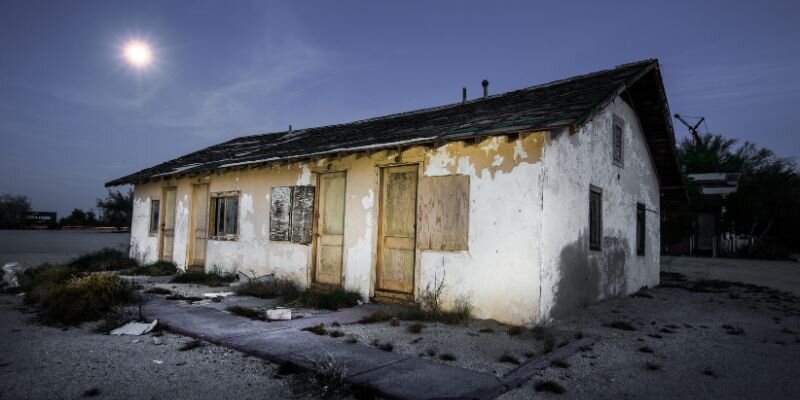
Selling a condemned house in Georgia can feel overwhelming, but Atlanta Home Buyers is here to guide you through every step. From understanding state regulations to finding buyers who specialize in fixer-uppers, this guide provides essential tips for selling your condemned property quickly and legally.
Understanding Condemned Houses in Georgia
Current owners and potential buyers struggle with Georgia’s condemned homes. Health and safety concerns prevent living in these buildings. Understanding condemned property ownership will help you decide whether to sell. We discuss what makes a home condemned, how it affects its value, and how to care for a condemned home in Georgia, whether you live in Atlanta or elsewhere.
What Makes a House Condemned?
A property is not ideal for living in for a number of reasons, such as major structural damage or health risks. Local governments in Georgia usually say this after doing a full investigation. If a house falls apart completely or partially, doesn’t follow building codes, or has mold or pest problems, it can be condemned. Because of these safety and health concerns, the authorities have made it illegal to live there. Homeowners and buyers should know that these homes are dangerous and may not be legal to live in until they are fixed up.
Condemnation can happen swiftly, so homeowners must be aware. The homeowner may receive a warning from local authorities that a problematic property may be condemned. These notices usually include a timetable and a list of items to fix to avoid condemnation. By ignoring this letter, you risk fines and legal action. Also, condemned homes must undergo costly and time-consuming modifications to fulfill safety regulations. Potential investors may profit from buying a condemned house in Georgia if they can make necessary improvements and manage local rules. Thus, stakeholders can make educated sale and renovation decisions by understanding why a house is condemned.
Impact of Condemnation on Property Value in Georgia
Properties that are condemned experience a significant decline in their market value. Properties in Georgia that are consigned tend to depreciate rapidly due to their legal status as unfit for occupancy, making them less appealing to standard buyers. Reviving condemned properties comes with its challenges and uncertainties, making potential buyers hesitant. They might be curious about hidden damage or the steps needed to ensure the home is livable. These issues can turn a straightforward real estate transaction into a complex and expensive endeavor.
Understanding how condemnation impacts value is vital for homeowners and investors considering a sale. In competitive markets like Atlanta, a condemned home’s value often reflects legal compliance, zoning modifications, and physical repairs. Auctions are often used to sell properties at a lower value to expedite the sale process. Redeeming value generally requires intense remediation plans and smart local regulation navigation. Thus, condemned properties may be investment opportunities, but they must be carefully assessed, legalized, and marketed to meet Georgia’s housing market expectations.
Looking for a fast, fair way to sell your home for cash in Georgia? We make it simple.
Legal Considerations for Selling Condemned Properties in GA

When selling a condemned property in Georgia, it’s essential for homeowners to grasp the legal framework to effectively manage this intricate process. Properties that have been condemned frequently present substantial legal challenges and cultural considerations that require meticulous focus. In Georgia, especially in places such as Atlanta, it’s essential for sellers to understand the process of legally transferring ownership of a condemned property. For homeowners dealing with condemnation or investors on the lookout for opportunities, understanding the legal landscape is crucial. It can help reduce risks and simplify the selling process, all while ensuring adherence to local regulations and cultural norms.
Navigating the Legal Process
Selling a condemned house in Georgia involves strategy and knowledge of local rules. Real estate investors and homeowners must understand the value of hiring a real estate attorney. An attorney will explain the condemnation and ensure that all legal criteria are met, reducing future conflicts. In Atlanta and other Georgia cities, the initial step is to get a detailed inspection report explaining the property’s condemnation. This document will underpin your legal case and buyer discussions.
After receiving this report, contact local authorities to learn about municipal restrictions and remediation programs that may affect your home sale. Open communication with these agencies is essential to avoid legal issues early on. Homeowners must create a documented remediation plan to make the property habitable. Selling as-is is typical, but being upfront about the property’s condition promotes buyer trust and helps negotiate terms.
This procedure is supported by legal documents. Inform purchasers regarding permits, violations, and notifications. Legal counsel can provide guidance on disclosures to mitigate liability. Marketing condemned properties in Georgia necessitates patience, meticulousness, and a comprehensive understanding of real estate. These attributes can facilitate the negotiation of the sale and transform a challenge into a favorable opportunity.
Cultural and Legal Nuances in Georgia
The cultural and legal intricacies of selling a condemned property in Georgia go beyond legislation. You need to understand the background of real estate transactions, especially in varied cities like Atlanta. Heritage and local dynamics might affect buyer views and property marketability. For instance, Georgia buyers may view a condemned property as a legacy rather than an investment.
Georgia’s authentic traditions can affect real estate transactions. Cultural awareness can help in negotiations. Selling a condemned home requires respecting local historical preservation and community values. With a real estate attorney who understands these cultural nuances, you can avoid missing important social conventions and expectations during the selling process.
Different municipalities have different condemnation statutes. Research and understand local variances to prepare for issues. Demolished homes in Georgia, especially Atlanta, may be in urban redevelopment regions where legal frameworks change quickly. Keeping up with regulations is crucial. Learn how cultural and legal factors interact to handle these issues.
After a thorough legal plan, cultural awareness helps you sell your property. By connecting legal requirements with cultural values, Georgia sellers can convey their property’s value to potential buyers, making the sale process easier.
At Atlanta Home Buyers, we buy homes in Atlanta and nearby cities, offering homeowners a fast, hassle-free selling experience.
Strategies for Selling a Condemned House in Georgia

Selling a condemned house in Georgia is hard and needs careful planning. To get the most out of the property, you need to think carefully about every step, from marketing it as-is to getting cash buyers. Understanding the function of cash offers and real estate investors can make a big difference in how well you sell your home as you go through this complicated process. These tips will help both homeowners and investors manage and sell condemned properties in Georgia, whether they are in Atlanta or quieter parts of the state.
How to Sell a Condemned Home As-Is in Georgia
Selling a condemned home as-is in Georgia requires many crucial actions to attract buyers and conclude the deal. Selling as-is saves sellers money on repairs and renovations. This method is ideal for homeowners without the resources or inclination to restore extensively. Selling as-is can attract real estate investors willing to make changes for profit, despite its challenges. They focus on location and value rather than condition to find possibilities in houses others may ignore.
As-is house sales require openness. Sharing a full inspection report on the house’s condemned status with buyers creates trust and eases negotiations. Prioritizing the property’s potential over its flaws can help. Disclosure of fundamental concerns helps set expectations and smooth the acquisition. Honesty pleases buyers.
Selling an unrepaired, condemned house requires effective buyer communication. In developing cities like Atlanta, lot size, location, and zoning perks might attract real estate investors. Given Georgia’s distinct cultural and historical characteristics, tapping into historical preservation networks may reveal unanticipated interest, giving a unique depth to your sales approach. Online platforms and customized marketing can connect you with investors knowledgeable about local market conditions and ready to make a cash offer, speeding up the sale.
The Role of Cash Buyers in Selling Condemned Houses in Georgia
Cash buyers are essential in Georgia’s condemned housing market, where both parties want quick agreements. Cash buyers, usually real estate investors, make selling a challenging home easier by offering immediate liquidity. These buyers can renovate properties for sellers without repairs. Cash sales speed up deals by avoiding financing.
The benefits of selling to cash buyers go beyond speed. Cash buyers frequently do much of the due diligence, so homeowners can avoid legal issues common with real estate sales. This change in responsibilities streamlines procedures and reduces sellers’ procedural workload. Cash buyers can provide timely feedback and close purchases faster than traditional methods, making them a good choice when property circumstances are problematic.
Georgia cash buyers value condemned properties’ strategic potential. These properties are seen as valuable assets with community impact and revitalization potential. In developing cities like Atlanta, condemned houses can yield high returns. Real estate investors benefit from renovating a condemned home to boost its resale value. This appeals to sellers who need to transfer a troublesome asset swiftly. Forming ties with proven cash purchasers or real estate investors helps speed up the transaction and ensure legal compliance, balancing expediency with fairness.
Selling a condemned property? We offer a fast, straightforward, and fair process. For assistance, Contact Us at Atlanta Home Buyers.
Renovation and Repair Options for Condemned Properties in Georgia

Renovating a Georgia condemned house requires careful analysis of the pros and cons. Before renovating condemned houses, homeowners and investors must consider costs, legal obligations, and ROI. Understanding the complexities of repairing a condemned home helps you make decisions that meet your financial goals and community needs, especially in dynamic real estate markets like Atlanta.
Weighing the Pros and Cons of Renovation
Smart Georgia condemnation renovation takes planning. Home remodeling can improve value and make it habitable. Recreating a condemned home releases latent value, making it marketable. Modernized condemned houses in Atlanta can attract buyers looking for dynamic neighborhoods. To be lucrative, renovation must be carefully planned and executed with knowledge of local real estate trends and regulations.
Real estate investors and homeowners should carefully consider the potential downsides. Renovating a condemned home can come with surprising costs and challenges. Unforeseen underlying issues, structural decline, and outdated systems can greatly elevate expenses, discouraging potential investors. Revamping condemned properties comes with significant legal and administrative hurdles. In Georgia, the remodeling journey can be quite intricate due to the various permits, zoning regulations, and building codes that must be navigated. The challenges may overshadow potential investment gains.
Renovations on a condemned home require a thorough evaluation. Consider the upfront costs versus the long-term rewards. Investors should do market analysis and property inspections to determine needed adjustments and costs. A thorough renovation plan and competent experts reduce dangers. The rehabilitation of Georgia’s ancient homes can attract certain audiences, turning a difficult situation profitable. Renovation seems enticing because it may change rooms, but it’s important to assess the pros and cons. Both homeowners and investors benefit from a well-rounded plan that keeps them on track.
Effective Marketing for Selling Condemned Homes in Georgia
Given their challenges, Georgia’s condemned homes must be marketed well. Strategic communication about the property’s disadvantages and financial possibilities is necessary to sell a condemned house. Sell a condemned house by highlighting its location, lot size, and accessibility to amenities to attract investors seeking big profits after renovation. Strategic marketing attracts these purchasers to properties they can modify, boosting their attractiveness.
Online listing and targeted advertising are crucial. Reaching large but targeted audiences might help you find buyers interested in challenging properties. Professional photographs and descriptions boost buyer trust and help them understand your investment opportunity. Historical or cultural relevance can also appeal to Georgia purchasers, who value history.
Another key marketing strategy is making tempting offers. Package possible enhancements or offer flexible terms for cash buyers to increase market appeal. Listing condemned homes as investment properties draws investors and speeds up transactions, especially in vibrant areas like Atlanta. Prospective buyers of repairable houses may be enticed by an attractive offer with investment potential. Provide enough information to let purchasers visualize the home’s full potential.
Previous sales testimonials might boost trustworthiness. Knowing Georgia’s property market makes you a more resourceful seller. Introducing these homes as prime investment properties increases your chances of selling them. As a crucial takeaway, well-crafted marketing that meets cash purchasers’ needs enables the condemned home to quickly become a coveted asset, creatively and efficiently transforming obstacles into opportunities.
Want to sell your property? Avoid repairs, sell fast, and enjoy a seamless experience. Atlanta Home Buyers provides fair cash offers and manages the entire process for you. Call (404) 400-5400 today for a no-obligation quote and get started!
FAQs:
What is a Condemned House in Georgia?
Condemned houses are unsafe for occupancy owing to structural problems or health risks. Local authorities usually designate this status after a comprehensive assessment.
How Does Condemnation Affect a Property’s Market Value?
A condemned property is legally unusable and less appealing to conventional buyers, lowering its value. Rehabilitation and legal compliance complicate its marketability.
Can You Sell a Condemned House Without Making Repairs?
A condemned house can be sold “as-is” in its existing condition. This method draws investors seeking profitable property renovations.
What Are the Benefits of Selling to Cash Buyers?
Cash purchasers can save the hassle of traditional financing, making deals fast. Cash purchasers perform most of the due diligence, speeding up the process.
What Should Be Considered Before Renovating a Condemned House in Georgia?
Cost, legal restrictions, and ROI should be considered. Thorough inspections and market analysis are necessary to ensure the renovation meets your financial goals and local standards.
Helpful Georgia Blog Articles
- Essential Guide To Selling Your Home During Divorce In Georgia
- Selling Your Home in Foreclosure in the State of Georgia
- How to Sell a House Without a Realtor in State of Georgia
- Stop Foreclosure in Georgia
- Essential Guide To Selling Your Home During Divorce In Georgia
- Is It Possible to Sell a House With a Mortgage in Georgia
- Filing a Quitclaim Deed in Georgia: Step-by-Step Guide
- Does a Seller Pay Closing Costs in Georgia
- How to Sell a Condemned House in Georgia