
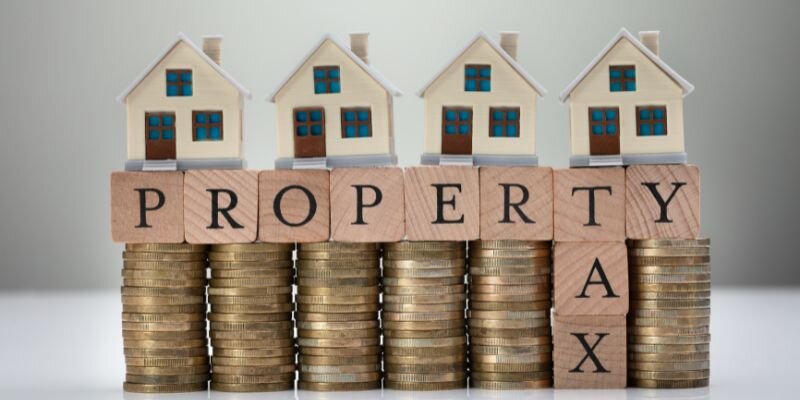
Property tax rates in Atlanta, GA are important for people who own homes or want to buy homes to know in order to plan for 2025. If you’re looking for guidance navigating Atlanta’s real estate market, investor home buyers in Atlanta can help you make informed decisions. With property taxes having a direct effect on your budget and business returns, it’s important to know the most up-to-date millage rates. There is a lot of information in this guide about how Atlanta’s tax rates have changed over time. It tells you what will happen in 2025 and how the changes could affect your spending. To be smart with your money, you should know about property tax trends whether you’re a seasoned renter or a first-time buyer.
Key Highlights
- Two thousand twenty-five millage rates in Atlanta have a significant impact on Atlanta’s property and tax obligations.
- Atlanta’s higher millage rates, compared to smaller Georgia cities, reflect its economic needs.
- Home sellers must understand local tax policies to maximize property value.
- Local tax changes can alter home-selling strategies by impacting sale prices and buyer demand in Atlanta
- Staying informed about Atlanta’s evolving property taxes is crucial for strategic financial planning.
Understanding 2025 Millage Rates in Atlanta

The Atlanta 2025 millage rates show that property taxes change all the time, which makes people feel different about their taxes. Every year, the tax board and tax auditor in each county change the rates. Property owners can benefit from being aware of these changes. It is really important to know how millage rates are decided upon and how they change projected values. You need to know how the local government works, how to get correct information from public sources, and how land values change over time in order to follow the steps. Fulton County leaders are involved in this. It helps to know how Atlanta’s tax rates compare to those of other Georgia towns in order to fully understand the complicated tax system.
How Millage Rates Affect Property Valuation
When you figure out your property taxes, millage rates are very important because they affect how much a house is worth. A millage rate tells a property owner how much tax they have to pay for every $1,000 of value. It is up to the county tax auditor to figure this out. For people who own land in Atlanta, these rates are set by Fulton County and other local commissioners. They are based on how much money is needed for infrastructure and public services. The rate is very important because a small increase can make the tax amount due change in a big way. People who own homes may find it hard to plan their spending, and it may also have an impact on the real estate market as a whole. The tax assessor’s office grades the land and sets a taxable value. This is the first step. This is where the rate comes in handy, since changes in the millage rate determine how much the tax bill is. These changes are usually made at meetings of the county tax board. Homeowners should know that rates can change a lot from one year to the next and from one county to the next. Rates in Fulton County are often different from rates in other parts of Georgia because the county is more urban. With these debts, property owners can guess how much their yearly tax bills will be. This makes them look for tax breaks and ways to control or fight their assessments. People who own homes need to know how millage rates affect property prices in order to understand how changes in their financial obligations will affect their homes. Online tools help people plan ahead for what might happen if rates go up or down. Making plans like this ahead of time is helpful, especially when making a budget for when property taxes are going to go up. By keeping an eye on these rates and going to public meetings or talking to officials, property owners can gain power and get a better idea of how much money they will need in the future.
Compare Atlanta’s Millage Rates to Other Georgia Cities
You can learn a lot about how taxes work in Georgia by comparing Atlanta’s millage rate to those of other cities and towns. If you’re in nearby areas, we buy Kennesaw homes and can help sellers navigate local tax and market conditions efficiently. Atlanta, which is in Fulton County, has a higher rate since it is a major city for business. But you can tell the change when you look at smaller, less populated areas. This is mostly because of changes in the amount of money needed for public services and the amount of infrastructure that needs to be built. There are different things that affect how it is used in every city, from Athens, Greece, to Savannah, Georgia. These things depend on the city’s goals and economy. The millage rate in Atlanta gets a lot of attention because it has an effect on property taxes. There are many types of businesses in the city, so it needs a lot of money to pay for things like schools, public transportation, and emergency services. It might be cheaper to live in a smaller town or county, but people who live there might not get as many benefits. Discover these differences between Georgians if you want to buy a home or put money into the state. A lot of power lies with county tax boards and leaders. These rates are set by the voters in that county and are based on their budget plans and policy goals. If you want to compare rates, you need to know more than just the numbers. You need to know what these rates mean in real life. In places with strong markets, like Atlanta, rates tend to be higher. The public facilities and services in these areas are usually better as well, which could make up for the higher taxes by increasing property values and providing benefits to the community. People who live in the area can use this information to make smart decisions about investing in real estate that fits their personal financial goals and to know what to expect from services in the neighborhood. These connections can also help us figure out how rates might rise in different parts of Georgia in the future, giving us a standard for both city and country problems.
For those evaluating Georgia’s property market, it’s crucial to consider the factors influencing property taxes and overall costs in Atlanta. Here are some key points to keep in mind: For expert guidance on navigating Atlanta’s real estate market, the Atlanta Home Buyers team can help you understand how property taxes impact your buying or selling decisions.
- Atlanta’s millage rates have a significant impact on property tax bills, making it essential to understand local variances.
- Property taxes in Georgia can vary significantly between counties, impacting overall affordability and investment potential.
- The relationship between assessed property values and millage rates determines the annual tax obligation, necessitating careful calculation and consideration.
- Changes in millage rates can occur due to local voter referendums or government adjustments, which can influence long-term fiscal planning.
- Understanding the interplay between millage rates and other housing costs is crucial for a comprehensive financial assessment.
This highlights the importance of comparative analysis, ensuring a well-rounded understanding of how local variations can impact investment returns and future property-related decisions.
What Home Sellers Need to Know About Local property’s Services

Homeowners who want to sell their Atlanta home for the most money should learn about the city’s tax rules. As part of this process, reviewing a Complete Guide to Property Management in Atlanta, GA can also help sellers understand how professional oversight influences costs, value, and long-term returns. In Atlanta, buyers have to learn how to make decisions in a market that is always changing. This is because tax rates and prices are always changing. This part goes into more depth about Atlanta’s complicated tax system and how those taxes affect the sales of homes. We’ll talk about how to handle taxes and how changes in taxes affect the way things are sold. This will give sellers all the tools they need to find the best way to fight in the market.
Navigating the Local Tax Landscape in Atlanta
When people in Atlanta want to sell their home, it can be just as important to know how the local taxes work as it is to hire the right inspector. The tax assessor’s office and the Fulton County courts are two of the local tax bodies that are in charge of the Atlanta property tax. The real estate market is changed a lot by it. Assessors look at a house to figure out how much it’s worth in taxes. Sellers need to know about this process. To find out how much property tax is due to the county tax office, use this value and the current tax rates. This is a hard process that everyone who wants to sell something in the area needs to understand. You can figure out how much you might have to pay in taxes and how much to ask for your home if you know how the Fulton County tax assessor values them. The taxes in Atlanta are hard to understand because they come from many places, and each has its own tax millage rates. Every year, these rates may change based on the business and how much the government needs to spend. It’s important for sellers to know about these changes so they can make smart ones about the market. Taxes could go up quickly, which could make sellers decide whether to list their home or wait. It depends on how much possible buyers think it will cost them. A tax rate calculator is another tool that buyers can use to get a better idea of Prologue’s bills. Sellers can get a better idea of how the tax rules in the area might affect sales by putting in the property’s assessed value and current tax rate. You can find out more about possible tax increases or policy changes by going to county board meetings or public office hearings. Using these tools to sell real estate can help sellers change how they do things, which could lead to better deals that make more money. It gives buyers more power and makes them more competitive in Atlanta’s strong real estate market to know about and follow local tax rules.
| Component | Description | Impact on Sellers | Strategies | Resources |
|---|---|---|---|---|
| Property Tax Rates | Annual taxes based on property value. | High rates may deter potential buyers, which can affect assessors’ prices. | Highlight competitive rates if applicable and offer tax history transparency. | Local tax assessor’s office |
| Homestead Exemption | Tax deductions for primary residence owners. | Can increase property attractiveness if applicable. | Educate buyers about potential savings through exemptions. | Georgia Department of Revenue |
| Transfer Taxes | Taxes due when a property is sold. | May affect net proceeds if sellers bear the cost. | Negotiate transfer tax liabilities with buyers. | Fulton County Recorder’s Office |
| Tax Incentives | Special conditions reducing tax burden. | Enhanced appeal for properties qualifying for incentives. | Market incentives offer potential long-term savings for buyers. | City of Atlanta Economic Development Office |
People who want to sell their homes in Atlanta are affected by the city’s tax policies. This table shows those effects and suggests changes that buyers can make to get the best results. If you’re considering selling, learn how we buy homes in Atlanta and how our process can help you navigate local property taxes efficiently.
Impact of Local Tax Changes on Home Selling Strategies
We can’t say enough about how changes in Atlanta taxes have made it harder for people to sell their houses. When property taxes go up or down, prices go down and buyer interest goes up or down. The Fulton County officials make decisions about these changes, and the local tax assessor keeps an eye on them. Sellers need to be aware of these kinds of changes and change how they do things to keep buyers interested. When buyers want to take advantage of better economic times, changes in tax rates may cause them to change how they market their houses, how much they charge for listings, or when they sell. Like, buyers might not be as interested if county tax rates go up. In order to close a deal, sellers may offer perks such as dropping the price or paying some of the higher taxes. When sellers know how property taxes affect buyers, they can make sure that their ads match what buyers want. This increases their chances of making a sale. How taxes are treated in a place can also change how much people think a house is worth. Because homes will cost more when taxes go up all of a sudden, they may not seem as appealing to buyers. This can change how they decide what to buy. Tax trends should let sellers change their prices. Usually, this means they need to adjust what they expect based on what the commissioners do. When sellers go to meetings of public leaders or try to guess how the economy will change, it helps them stay competitive by giving them a better idea of how tax rates might change in the future. At the end of the day, Atlanta property tax plans should cover everything, including city taxes and county rates. If people are open and knowledgeable about city taxes, they can use what they know to improve their sales strategy, bring in more buyers, and make the money they want. People who buy in the city know that their taxes change all the time, so they can better adapt to changes in the market and make good deals.
Breaking Down Atlanta Property Tax for 2025
Taxes on houses in Atlanta, GA are changing in big ways that could have an effect on homes as we move into 2025. When property taxes and tax millages change, they affect the prices of homes in Fulton County. People who own homes in this busy city need to know about these changes. What will we talk about when we talk about how property taxes might change in the future? What will that mean for the real estate market? How might that change home values? To set property tax rates and make decisions for the community, you need to know how these things change each other.
Evolving Trends in Property Taxes and Their Implications
Property taxes in Atlanta will keep changing until 2025. This is because the business, society, and government as a whole are changing. Fulton County, which has the city of Atlanta and other cities and towns, is expected to change its tax millage rates. This is because the needs for public services and the growth of facilities will change over time. The taxes that property owners have to pay change as the business does. It is important to carefully look at how these rates are set and changed because of this. It’s very important that the county tax boards and city officials be involved in this. Every day, they check on the business and change the millage based on what they find. People who already own homes and people who want to buy homes in Atlanta’s busy real estate market are both hurt by these trends. A big thing that affects property taxes is how the needs for public infrastructure change over time. The city of Atlanta spends a lot on schools and public transportation. As the city grows, it will probably need more money, which could mean higher taxes. The value of a home may go up because of these changes, but the taxes for people who already live there may go up as well. So, the decisions the government makes have a big impact on real estate. This is a strong link between real estate and government spending.
Exploring Georgia Tax Implications for Sellers

People who are buying real estate in Georgia should know what the state’s taxes mean because they have a big impact on deals. The property tax system in Atlanta changes the way homes are bought and sold because it is based on the tax rate set by the city government. These rates are set by the tax board in each county, and buyers need to be very aware of how they affect list prices and business decisions. Fulton County has a complicated web of tax millage rates, so buyers need to know how to handle a lot of different tax problems. These rates not only change how much is due, but they also change how buyers act because they affect how much homes are worth and how much they are priced.
Athens’ real estate market changes and grows along with the city. Property tax bills need to be carefully looked over because of this. You need to know how property taxes work now and how they might change in the future in order to come up with good ways to sell. Sellers need to look at things like public office records or the Fulton County tax review papers to stay up to date. This makes sure that what they do is in line with the most recent changes in the economy and government spending. If they don’t, it could mean that taxes go up more than expected.
It’s not just the money that changes when county taxes do; it’s also how people plan to spend their money. For example, if tax rates go up without notice, sellers may change the prices they’re asking. To get people to buy, they might offer incentives or pay some of the local taxes. It is possible to find out about upcoming changes to the city’s tax plans by listening to public board meetings in secret. Having this kind of information can give sellers an edge in the market.
In Georgia—especially in Fulton County—property taxes serve as both a financial responsibility and a strategic consideration for home sellers. Understanding who will pay the taxes of a home sale is not optional; it’s essential. Sellers who understand Georgia’s tax structure can make informed decisions that align with market expectations while protecting their financial outcomes. Well-managed tax policies also support long-term market stability and growth throughout the Atlanta area.
These are the new millage rates for 2025 Atlanta. To understand how they affect your home, you need to know about them. Reading the news every day can help you make decisions that are good for your money in the long run. When you buy a new home or check the value of the one you already own, you should think about how these taxes fit into your general financial plan. If you want more information that is tailored to your situation, downloading our full Atlanta property tax guide might be useful. These are the chances you need to make smart choices that will keep your home an investment for a long time.
Helpful Atlanta Blog Articles
- Asbestos Removal Solutions For Homes In Atlanta, Georgia
- Essential Paperwork For Selling Your Atlanta Home By Owner
- How To Sell A Repair-Needed Home In Atlanta, GA
- Sell A House With Foundation Issues In Atlanta, GA
- Selling A House With Code Violations In Atlanta, GA
- Agent Fee for Selling House in Atlanta, GA
- Capital Gains Tax After Selling a House in Atlanta, GA
- Guide to Inherited House with Sibling in Atlanta, GA
- Fun Facts About Atlanta, GA
- Atlanta, GA Neighborhood Map
- Cost of Living in Atlanta, GA
- Atlanta, GA Property Tax Rate
- Complete Guide to Property Management in Atlanta,GA